
How to File a Roof Insurance Claim in Texas


Filing a roof insurance claim in Texas can be a daunting process, especially for homeowners unfamiliar with the necessary steps and requirements. This guide, provided from the perspective of roofing professionals—not licensed insurance agents or adjusters—aims to simplify the process by outlining the essential requirements, documentation needed, and the impact of Texas insurance regulations on roof damage claims. Understanding how to navigate this process can save homeowners time and ensure they receive the compensation they deserve for storm damage. In this article, we will cover the Texas roof insurance claim requirements, necessary documents, the claim process for storm damage, and the role of insurance adjusters. Additionally, we will explore how installing a cool roof can benefit homeowners after filing a claim.
What Are the Texas Roof Insurance Claim Requirements?
To file a roof insurance claim in Texas, homeowners must meet specific requirements. These include ensuring that the roof is not too old, as many insurance policies have stipulations regarding the age of the roof. Timely filing is crucial; homeowners typically have a limited window of up to two years to submit their claims after the damage occurs. Additionally, proper documentation is essential to support the claim, including evidence of the damage and any relevant policy details.
Which Documents Are Needed to File a Roof Insurance Claim in Texas?


When filing a roof insurance claim in Texas, several key documents are required to support the claim effectively. Homeowners should prepare the following:
- Photographs of the Damage: Clear images showing the extent of the damage are vital for substantiating the claim.
- Detailed Notes: A written account of the events leading to the damage, including dates and descriptions of the incidents.
- Repair Estimates: Professional estimates from contractors detailing the cost of repairs needed to restore the roof.
These documents help insurance companies assess the claim accurately and expedite the process.
How Do Texas Insurance Regulations Affect Roof Damage Claims?
Texas insurance regulations play a significant role in how roof damage claims are processed. Homeowners should be aware of the statute of limitations, which typically dictates the timeframe within which claims must be filed. Additionally, understanding the specific filing deadlines outlined in their insurance policy is crucial. Policy specifics, such as coverage limits and deductibles, also affect the claim process and potential compensation.
How to File a Roof Insurance Claim for Storm Damage in Texas?
Filing a roof insurance claim for storm damage in Texas involves several critical steps:
-
Document the Damage: Take comprehensive photographs and notes of the damage immediately after the storm.
-
Contact Your Insurance Company: Notify your insurer about the damage as soon as possible to initiate the claims process.
-
Get Estimates: Obtain repair estimates from licensed contractors to provide your insurer with a clear understanding of the costs involved.
Following these steps can streamline the claims process and improve the chances of a successful outcome.
What Are the Step-by-Step Procedures to Submit a Roof Damage Insurance Claim?
The procedures for submitting a roof damage insurance claim can be broken down into clear steps:
- Assess the Damage: Conduct a thorough inspection of your roof to identify all areas of damage.
- File Your Claim: Complete the necessary claim forms provided by your insurance company, ensuring all information is accurate.
- Obtain Repair Estimates: Gather estimates from multiple contractors to present to your insurer, which can help in negotiating the claim.
By adhering to these procedures, homeowners can effectively navigate the claims process and ensure they meet all necessary requirements.
How Long Does the Roof Insurance Claim Process Take in Texas?
The duration of the roof insurance claim process in Texas can vary significantly based on several factors. Typically, homeowners can expect the process to take anywhere from a few weeks to several months. Factors affecting the duration include the complexity of the claim, the responsiveness of the insurance company, and the thoroughness of the documentation provided. Understanding these timelines can help homeowners manage their expectations during the claims process.
What Types of Storm Damage Qualify for Roof Insurance Claims in Texas?
Homeowners in Texas may be eligible to file insurance claims for various types of storm damage, including:
- Wind Damage: High winds can cause significant damage to roofing materials, leading to leaks and structural issues.
- Hail Damage: Hail can create dents and punctures in roofing materials, necessitating repairs or replacement.
- Roof Leaks: Damage that results in leaks can lead to further issues, such as water damage to the interior of the home.
Understanding what types of damage qualify for claims can help homeowners prepare their documentation effectively.
How to Identify and Document Storm Damage for Your Roof Claim
Identifying and documenting storm damage is crucial for a successful roof insurance claim. Homeowners should:
- Assess the Damage: Conduct a thorough inspection of the roof, looking for missing shingles, dents, or leaks.
- Document with Photos: Take clear photographs of all damage, ensuring to capture different angles and close-ups.
- Contact Your Insurance Provider: Notify your insurer about the damage and provide them with the documentation collected.
This proactive approach can significantly enhance the chances of a successful claim.
What Role Does the Insurance Adjuster Play in Evaluating Roof Damage?
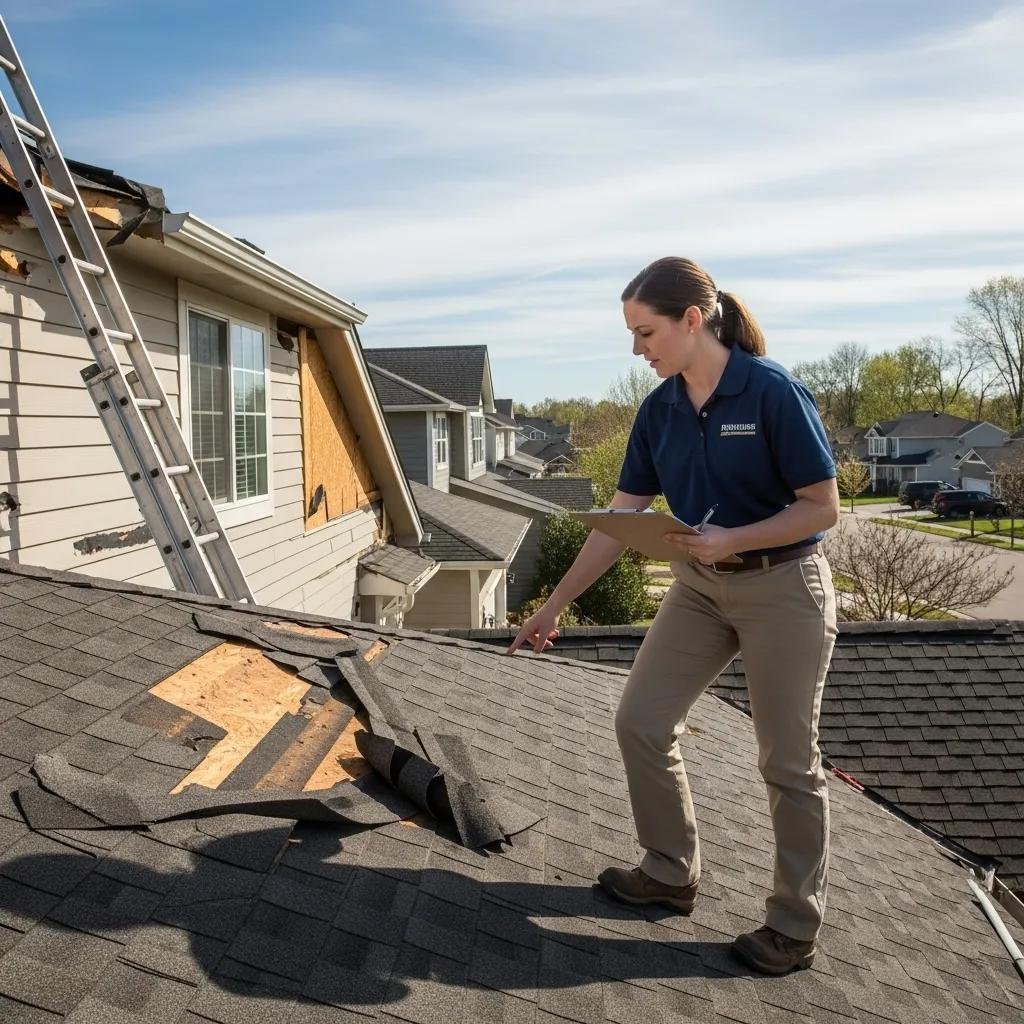

Insurance adjusters play a critical role in the roof insurance claim process. Their responsibilities include:
- Evaluating Damage: Adjusters assess the extent of the damage by inspecting the roof and reviewing the documentation provided by the homeowner.
- Reviewing Documentation: They analyze the photographs, notes, and repair estimates to determine the validity of the claim.
- Determining Compensation: Based on their evaluation, adjusters recommend compensation amounts to the insurance company.
Understanding the adjuster’s role can help homeowners prepare for the evaluation process.
How Can Cool Roof Installation Benefit You After a Texas Roof Insurance Claim?
Installing a cool roof can provide several benefits for homeowners after filing a roof insurance claim. As roofing professionals, we emphasize that a cool roof is not only energy efficient but also a roof system backed by some of the best warranties in the industry, including CertainTeed Premier Credentials that we hold. This means you are investing in a roof that lasts while also improving energy efficiency. The benefits include:
-
Energy Efficiency: Cool roofs reflect more sunlight and absorb less heat, leading to lower energy costs.
-
Long-Lasting Durability: With industry-leading warranties and premium materials, a cool roof system provides superior protection and longevity.
-
Increased Property Value: A cool roof can enhance the overall value of a property, making it more attractive to potential buyers.
-
Improved Durability: Cool roofs are designed to withstand extreme weather conditions, providing long-term protection against storm damage.
By considering a cool roof installation, homeowners can enhance their property‘s resilience, efficiency, and peace of mind knowing their roof is backed by top-tier warranties.
What Are the Energy Efficiency and Storm Resilience Advantages of Cool Roofs?
Cool roofs offer significant energy efficiency and storm resilience advantages. These include:
-
Reduced Energy Costs: By reflecting sunlight, cool roofs can lower cooling costs during hot Texas summers.
-
Improved Indoor Comfort: Maintaining a cooler indoor environment can enhance comfort levels for residents.
-
Durability Against Storms: Cool roofs are often constructed with materials that can withstand severe weather, reducing the risk of damage during storms.
These advantages make cool roofs an appealing option for homeowners looking to improve their properties.
How Does Installing a Cool Roof Affect Your Insurance Premiums in Texas?
Installing a cool roof can positively impact insurance premiums in Texas. Many insurance companies offer discounts for energy-efficient upgrades, including cool roofs. Homeowners may experience:
-
Potential Premium Reductions: Insurance providers may lower premiums for homes equipped with cool roofs due to their enhanced durability and energy efficiency.
-
Long-Term Savings: Over time, the energy savings from a cool roof can offset the initial installation costs, leading to significant financial benefits.
By investing in a cool roof, homeowners can not only improve their property but also potentially reduce their insurance costs.
Our Credentials
Cool Roofs Co. is proud to hold the following industry credentials, reflecting our commitment to quality and professionalism:
-
RCAT Licensed
-
Premier Contractors with CertainTeed
-
National Roofing Contractors Association Members
-
Master Commercial Roofing Contractors with GAF
-
ShingleMaster Premier Credentialed with CertainTeed
-
Fortified Roofing Credentialed